Service
MEP Design & Vertical Transportation
Overview
Vertex Engineering's MEP Design & Vertical Transportation practice provides specialty design and technical leadership for the mechanical, electrical, plumbing, and elevator / escalator systems that make modern transit stations function. Our leadership has directed the design and construction management of more than 18 traction elevators across upper Manhattan, along with the supporting MEP systems — fire alarm, power, communications, HVAC, lighting — that integrate vertical transportation into operating transit stations.
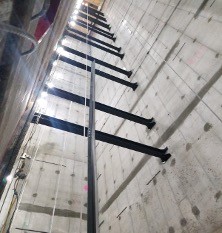
Vertical transportation is uniquely demanding in the transit environment. Hoistways extending 140 feet below street level, machine rooms shoehorned into century-old station structures, and replacement programs that must protect rider access throughout construction — these are not standard design problems. Our practice exists because we have solved them, repeatedly, on MTA and NYCT projects.
What We Do
We support specialty MEP and vertical-transportation design for transit, rail, and public-facility projects from concept through commissioning. Our offerings include:
Traction elevator and escalator replacement and modernization design
Hoistway structural rehabilitation and waterproofing coordination
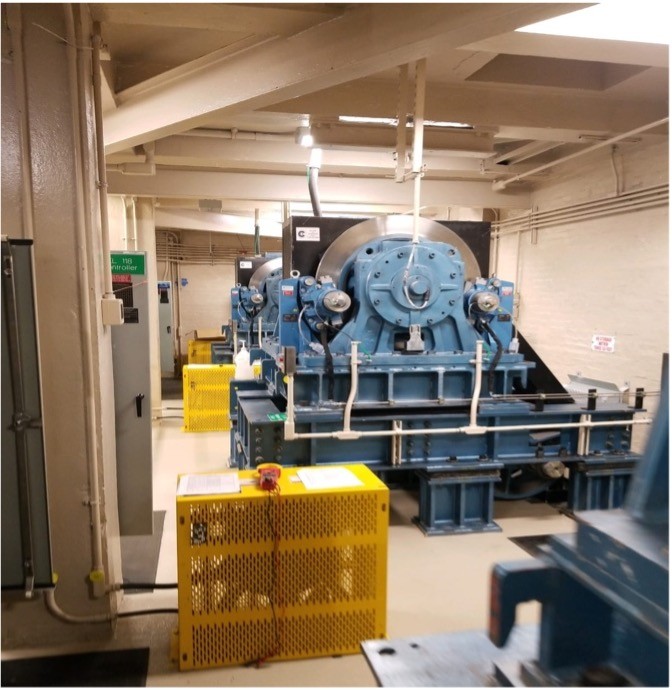
Elevator machine-room reconfiguration and upgrades
Fire alarm, power, and communication system integration
HVAC and electrical design for stations and station facilities
Vertical-transportation procurement, submittal review, and start-up
Constructibility review for confined and deep hoistway environments
Commissioning, testing, and final-acceptance support
How We Work
MEP and vertical-transportation work in the transit environment starts with site conditions — what's actually there, what survived prior renovations, what utilities or structural elements have to be worked around. Our design process begins with field walks, existing-condition documentation, and operating-agency standard reviews, because no MEP design survives contact with an active subway station unless it accounts for the realities of the space.
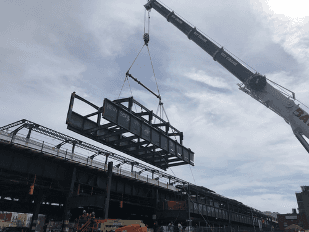
We lead the design through preliminary engineering, final design, and procurement support, coordinating closely with the structural, architectural, and systems disciplines that share these tight spaces. Constructibility reviews at the jobsite — looking at how equipment will actually arrive, be staged, be installed, and be commissioned — are integrated into the design package rather than added as an afterthought.
During construction, we provide design-side support: submittal review, RFI response, field engineering for the inevitable surprises, and start-up and acceptance testing of the installed systems. On elevator and escalator scopes specifically, we coordinate testing and commissioning with the operating agency's vertical-transportation group to ensure each unit can be placed in revenue service on schedule.
Key Benefits
Specialty MEP and vertical-transportation design done right means systems that work on day one, that the operating agency accepts without conflict, and that serve riders reliably for decades. Key benefits of working with Vertex include:
Vertical-transportation designs informed by direct hoistway and machine-room field experience
MEP integration that anticipates structural and architectural constraints
Submittal and procurement packages that pass operating-agency review cleanly
On-time placement of elevators and escalators into revenue service
Reduced field-change risk during construction
Coordination with operating-agency vertical-transportation and signal groups
Why It Matters
ADA accessibility is one of the highest-stakes priorities in the transit industry. Every traction elevator brought back into service represents a station made accessible to riders who depend on it. At the same time, transit MEP work happens in some of the most constrained spaces in the built environment, with revenue trains running feet away and rider impact measured in hours of detour.
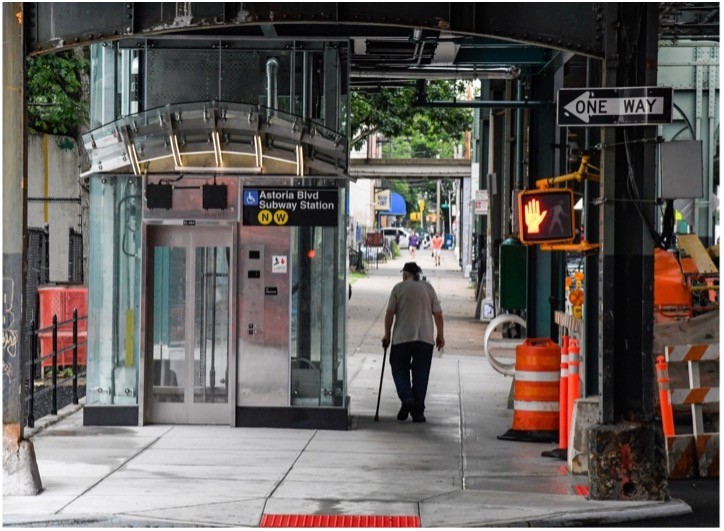
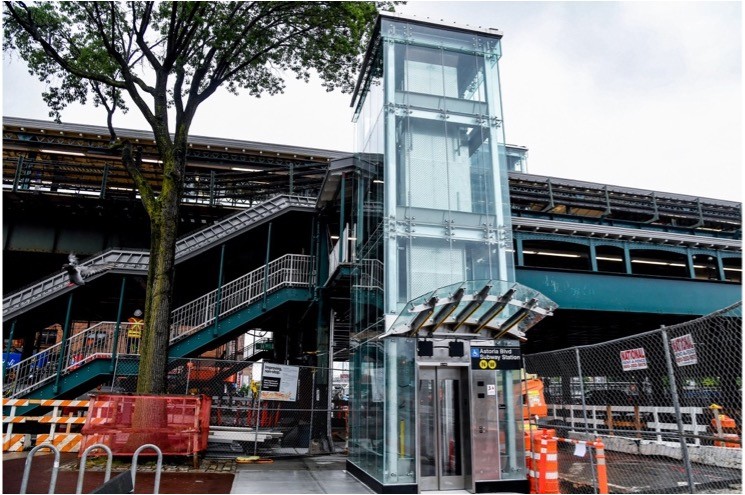
Vertex Engineering's MEP Design & Vertical Transportation practice is built for that reality. Our work on the 12 traction elevators at 168th, 181st, and 191st Street Stations, the 6 elevators at 181st and 190th Streets, and the ADA elevators on Astoria Boulevard reflects design that works in the field, integrates with the rest of the station, and gets placed in service on schedule. That's what these projects require, and that's what we deliver.
Service details
Traction, Hydraulic elevator and escalator replacement and modernization design Hoistway structural repairs and machine-room reconfiguration Fire alarm, power, and communication system integration HVAC, electrical, and lighting design for stations and facilities Vertical-transportation procurement and submittal review Constructability review for confined / 140+ ft hoistways Commissioning, testing, and start-up support


Related solutions