Service
Process Optimization

Overview
Vertex Engineering's Process Optimization practice exists because, on every large public-sector capital program, the biggest gains aren't in the design or the contract — they're in the workflows that surround them. Submittal turnaround times. RFI cycles. Constructibility reviews that catch clashes before construction. Lessons learned that move from one contract to the next instead of being lost. Quality programs that prevent nonconformance instead of just documenting it. These are where schedule and budget actually slip, and where disciplined process work returns disproportionate value to the owner.
Our practice combines direct delivery experience across MTA Construction & Development, NYCT, and DOT / DDC programs with a structured optimization methodology that respects how public-sector owners actually work. We don't bring in foreign systems or theoretical frameworks. We assess what's running, identify the workflows that are costing the program time and money, and redesign them so they hold up under the real conditions of transit and infrastructure delivery.
What We Do
We provide end-to-end process optimization across the project-delivery lifecycle — from early workflow design through ongoing audit and improvement of programs already in execution. Our work is practical, agency-compatible, and built around the tools owners are already using. Our expertise includes:
Project-delivery workflow assessment and process mapping
Design coordination and interdisciplinary clash-resolution processes
Constructibility review programs with lessons-learned integration
Submittal, RFI, and change-order cycle-time optimization
Quality program optimization (preparatory phase, hold-point, audit cadence)
Agency review-cycle reduction strategies
Document control workflow design on Asite, Constructware, Unifier, Procore
Risk register and contingency process refinement
Multi-contract and multi-station process standardization
Force-account and track-access programming optimization
How We Work
Process optimization starts with observation, not recommendation. Before we propose any changes, we map the program's actual workflows — how design packages move through review, how submittals are processed, how RFIs are routed and answered, how nonconformances are captured and closed, how lessons learned from one contract reach the next. We do this through direct work alongside the owner's team, design-builder, or general engineering consultant, because workflow diagrams on paper rarely match what happens in practice.
From that baseline, we identify the workflows that are absorbing the most cost or schedule — typically RFI cycle time, submittal rework, design clashes reaching the field, lessons learned not being captured, or change orders triggered by avoidable causes — and redesign them. Our recommendations are always agency-compatible: optimization that violates MTA C&D policy, NYCT operational standards, or DOT / DDC permit cycles is not optimization, it's risk creation. We work within the rules and find the leverage points the rules permit.
During implementation, we work the change. That means adjusting templates and trackers on the platforms the owner is already using, training the team on the new cadence, and measuring the impact — RFI turnaround days, submittal first-pass approval rate, change-order frequency by cause, schedule float retention. The result is a program where the optimization isn't just declared — it's documented in the controls data, defensible to audit, and visible to the owner in real time.
Key Benefits
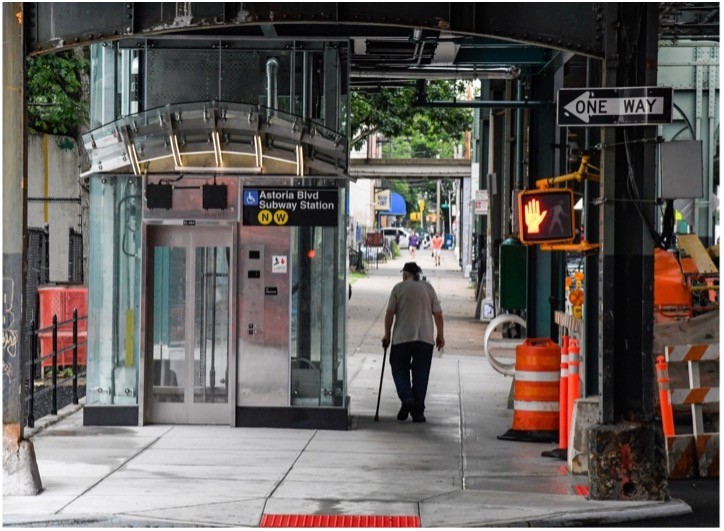
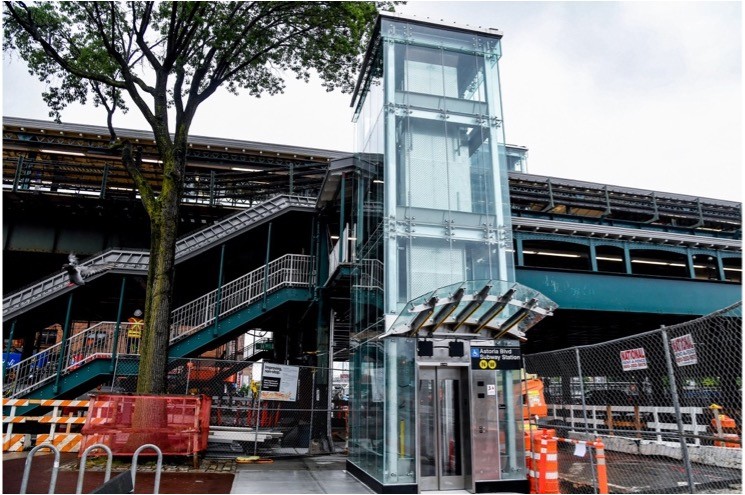
Process optimization delivers value the program can measure. On ADA Package 10, at-site constructibility reviews and lessons-learned integration produced significant scope, cost, schedule, and risk savings for MTA C&D — exactly the kind of return that disciplined process work generates when it's done by people who understand the delivery environment. Key benefits include:
Reduced rework and avoidable change orders through better front-end coordination
Faster RFI, submittal, and agency review cycle times
Lessons learned captured systematically across contracts, not lost between them
Quality programs that prevent nonconformance rather than just documenting it
Defensible controls data showing measurable workflow improvement
Reduced owner-side firefighting through trusted process discipline
Repeatable workflows across multi-contract and multi-station portfolios
Why It Matters
Public-sector capital programs run on process as much as on design and construction. A program with strong technical scope but weak workflows will still slide — submittals will sit, RFIs will compound, design clashes will surface in the field, change orders will multiply, and the owner will absorb the cost. A program with disciplined, optimized workflows can absorb scope changes, schedule pressure, and even supply-chain disruption without losing its delivery date. The difference is rarely visible in the contract; it's visible in the daily rhythm.
Vertex Engineering's Process Optimization practice exists to make that rhythm work. Our experience leading Progressive Design-Build, Design-Build, and Design-Bid-Build programs at MTA C&D — and our documented track record of converting at-site constructibility reviews and lessons-learned discipline into real program savings — is what we bring to the table. The goal is not optimization for its own sake. The goal is a program where every workflow is doing the work it's supposed to do, every dollar is being tracked, every risk is being managed, and the owner has the data and the discipline to demonstrate it. That's what Process Optimization delivers, and that's why it matters.
Service details
Project-delivery workflow assessment and process mapping Design coordination and interdisciplinary clash-resolution processes Constructibility review programs with lessons-learned integration Submittal, RFI, and change-order cycle-time optimization Quality program optimization (preparatory phase, hold-point, audit cadence) Agency review-cycle reduction strategies Document control workflow design on Asite, Constructware, Unifier, Procore Risk register and contingency process refinement Multi-contract / multi-station process standardization Force-account and track-access programming optimization


Related solutions